
Inns and boutique hotels
Buyers for inns, B&Bs and boutique hotels
Small hotels with character are bought for their income like any other, but more of that income depends on the person running them. A sale has to account for that honestly.
The properties this covers
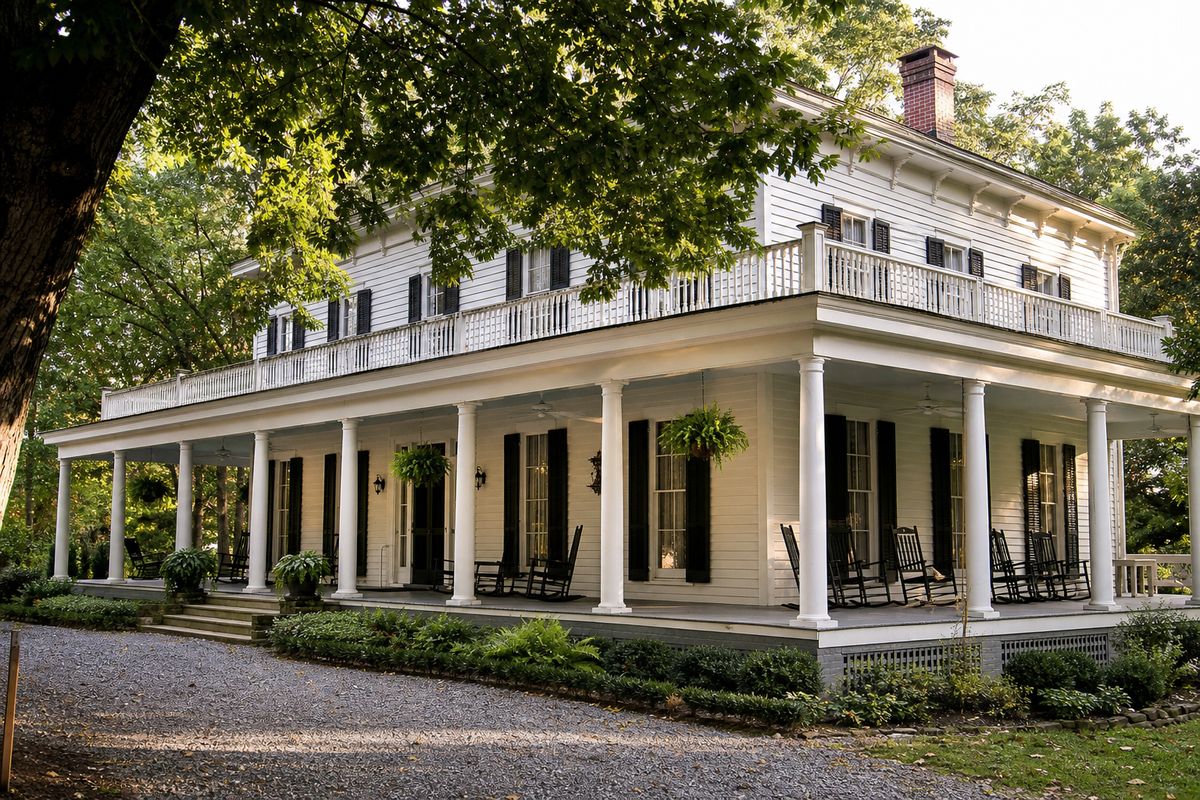
Country inns, bed and breakfasts with enough rooms to be a business, small historic hotels, converted houses and design-led independents with a few dozen keys. Many include a restaurant, a bar or event space. Many include the owner's home.
They are lodging properties and we evaluate them as such. A handful of rooms with no meaningful income is closer to a residential sale, and a residential agent may serve you better. Larger unbranded properties without the personal element are covered under independent motels and motor lodges.
Goodwill, reviews and what leaves with the owner
Personal goodwill
When guests return because of the host, part of the income is attached to a person and not to a building. A buyer asks how the property performs when the owner is away and prices the part that stays.
Name, website and reputation
The trade name, domain, booking listings, photographs, guest list and review profiles normally transfer with the business, and the purchase agreement should list them. Tell us if any of them are held in a personal name.
Recipes, staff and relationships
A chef, an events manager or a long-serving innkeeper can be worth more than the furniture. Who intends to stay matters, though staff should not be told about a sale before you are ready. Our note on selling a small hotel in confidence covers timing.
How a small hotel with food, drink or events is valued
Room revenue is usually the dependable part. Restaurants, bars and weddings add revenue and also add labor, cost of goods and volatility. A buyer looks at each department's profit separately instead of one blended figure.
Departmental results
If your books do not split rooms from food and beverage, an estimate by department is still worth making before a buyer does it for you. Our page on the valuation of hotels and inns explains net operating income and the adjustments applied to it.
Seasonality
Many inns earn most of their year in a few months. Twelve full months of figures, and ideally three years, let a buyer see the pattern and not just a peak.
Owner's quarters, licenses and historic status
Living on the property
If your home is inside the inn, the sale moves your household as well as your business. Say early whether you need time after closing to relocate, since occupancy after closing has to be written into the agreement.
Liquor and food licenses
Alcohol licenses are issued under state and local rules. Some transfer, some require a new application, and the timing can set the closing date. Health permits and lodging licenses have their own procedures.
Historic designation and easements
Listing on a historic register, preservation easements and local design review limit what a buyer can change. They can also bring tax benefits. Have the documents ready, and ask a CPA or attorney what they mean for your sale.
Why inn owners sell, and how we fit
An inn sale usually begins with the owner's life and not with the property's numbers: years of seven-day weeks, a change in health or family, or the wish to stop while the place is still loved. The page for owners retiring from a hotel or inn is written for that. Where the inn belongs to a couple or family who no longer agree, or to an estate, see selling when partners or heirs are involved.
The sequence from first call to closing is the same as for any property and is laid out in the steps of a sale. Timing depends on due diligence, financing and license transfers.
A buyer's view, stated plainly
We are buyers and not innkeepers looking for a way of life, so our offer follows the income. Some inns are worth more to a buyer who wants to live there and run it personally, and a broker who specializes in inns can reach those buyers. We would rather you know that at the start.
Questions from inn and boutique hotel owners
Do you buy bed and breakfasts?
We consider B&Bs that operate as lodging businesses with documented income. Very small ones often sell better as residences.
Will the inn keep its name?
The trade name normally transfers with the business. What a buyer does afterwards is the buyer's decision, and you can ask about our intentions before you sign.
What is my inn worth?
We can tell you what we would pay once we have reviewed the financials. For an independent opinion of value, hire an appraiser with hospitality experience. Short answers to other common questions are in the FAQ for sellers.
Start with a confidential conversation
Tell us where the property is, how many keys it has and whether it carries a brand. We read every submission ourselves and call you back at the number you give.
Nothing you send is passed to a listing service, and sending it does not commit you to anything.
Tell us about the property
Read by the buyers. Never listed, never advertised.