
Closed or distressed hotels
Buyers for closed, damaged or distressed hotels
A hotel that is dark, damaged or losing money is still a piece of real estate with a use. We look at these properties as they stand.
Properties that fall under distress
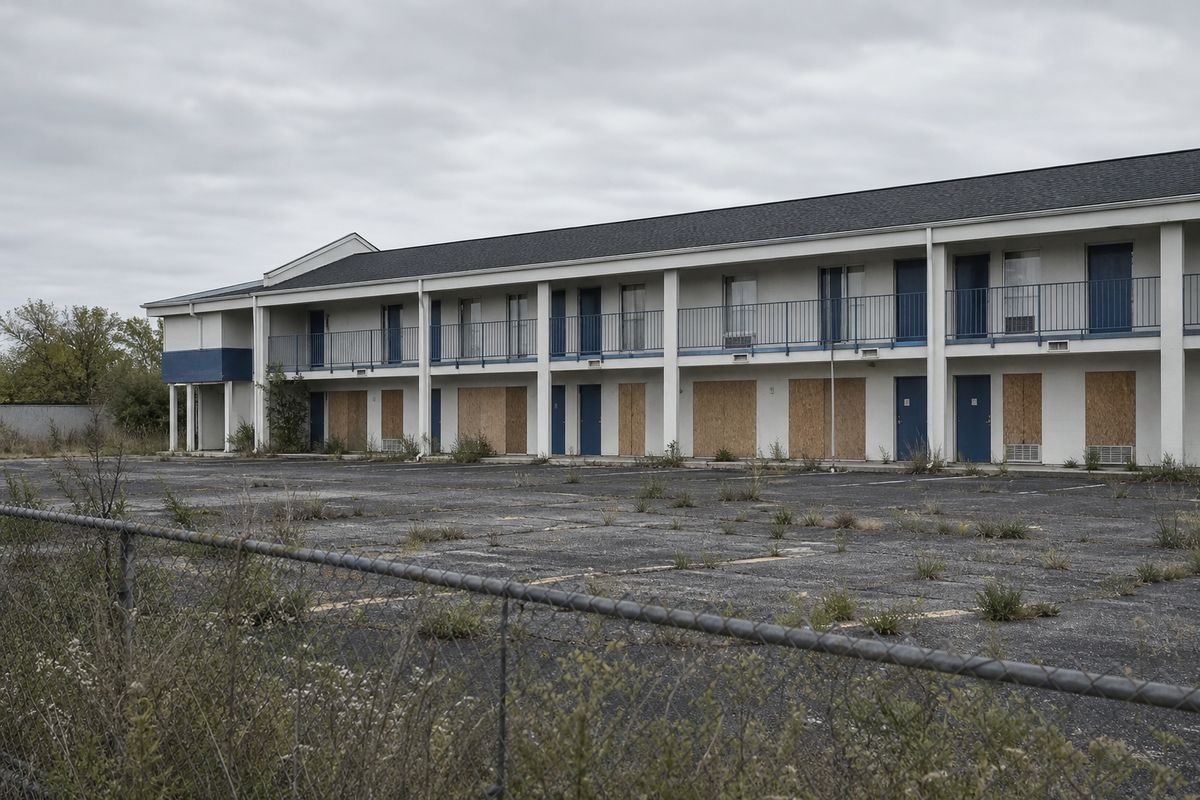
- Hotels and motels that have stopped operating
- Properties with fire, water or storm damage
- Buildings with open code or health violations
- Hotels losing money month after month
- Properties behind on property tax or loan payments
- Hotels in receivership or part of a bankruptcy case
- Motels that lost a brand and never recovered the business
Each of these changes who has to be involved and what a buyer can verify. None of them, by itself, means there is no sale to be made.
How a non-operating hotel is priced
An operating hotel is priced on its income. A closed one has none to capitalize, so a buyer works from the other direction.
Start with what it could earn
The buyer estimates what the property could produce once reopened, or once converted to another use, then subtracts the cost and time of getting there. The general method for operating hotels is on the hotel valuation page. For a dark property the same ideas are applied to projected figures instead of actual ones.
Then the real estate
Land area, zoning, access, the structure itself, and price per key against comparable buildings all serve as cross-checks. In some cases the land is the value.
Then the unknowns
A building that has sat empty hides problems: roofs, plumbing, mold, vandalism, missing equipment. A buyer discounts for what cannot be inspected and narrows the discount as inspections fill in the picture.
Liens, back taxes and loans in default
A sale has to deliver clear title. That means recorded debts are paid from the proceeds at closing or settled by agreement with whoever holds them. A title company identifies what is recorded against the property.
When the debt is more than the price
If the total owed exceeds what the property will sell for, a sale needs the lender or lienholder to accept less than full payment. That is their decision, it takes time, and you should have an attorney handling it. We can take part in that conversation as the buyer. We cannot make it for you.
When a court or a receiver is involved
A property in receivership, bankruptcy or probate is sold under that process and with that approval. Tell us at the outset who has authority to sign. Questions among co-owners and heirs are covered in hotel sales by partnerships and estates.
If the pressure is a maturity date and not a default, the page on a hotel loan that is about to mature is the closer match.
Violations, permits and reopening
Code violations, a lapsed business license, a revoked certificate of occupancy or an expired franchise all affect what a buyer can do with the building and how soon. Local rules sometimes treat a long-closed hotel as having lost its right to reopen as it was.
Gather whatever notices and correspondence you have from the local authority, the fire marshal and the health department. A buyer will check them with the jurisdiction anyway, and an owner who hands over the file saves weeks. If a brand left because a required renovation was never done, the page on PIPs and franchise renewals describes that path.
Selling as-is, and what that means
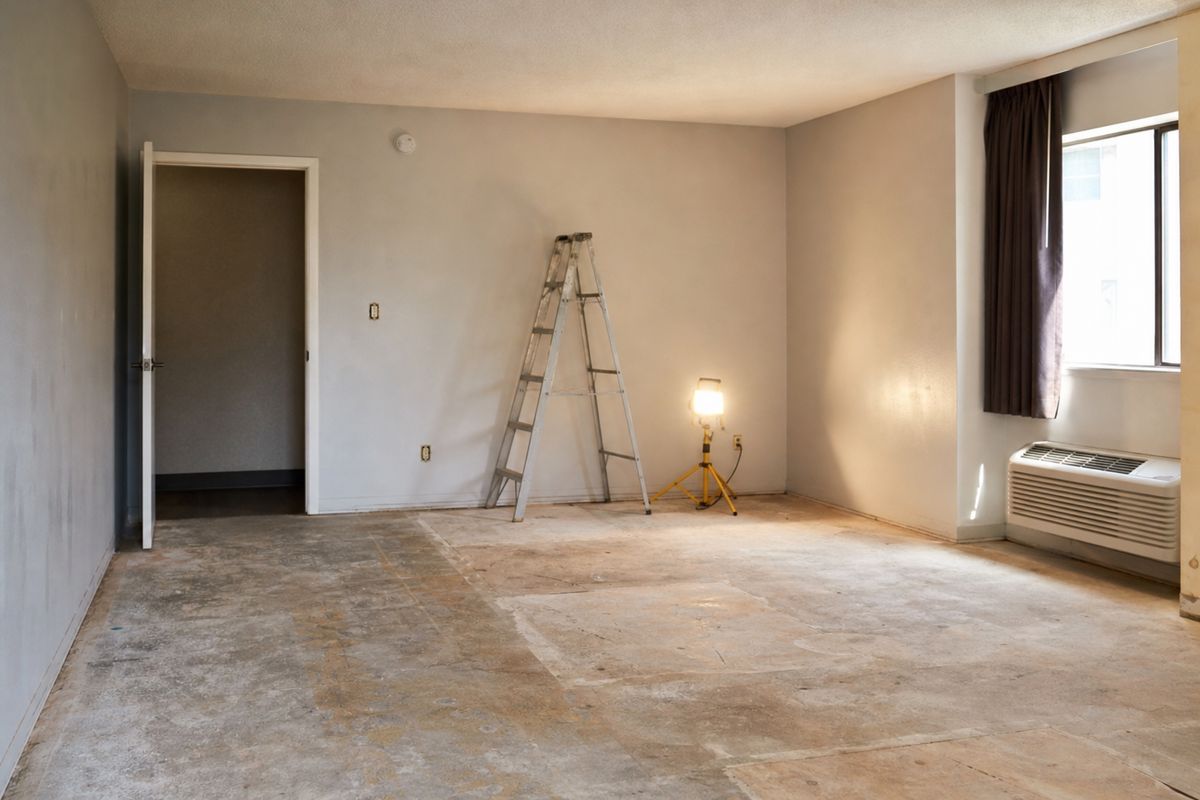
As-is means the buyer takes the property in its present condition and the price reflects it. It does not remove the seller's duty to answer questions honestly or to disclose what the law requires. It also does not skip due diligence: a buyer still inspects, and the more a buyer can inspect, the less has to be assumed.
What to gather
- The deed and any title policy from when you bought
- The latest property tax bill and any delinquency notices
- Loan statements and any notices from the lender
- Insurance claim files for any damage
- Violation notices and permits
- The last full year of operating statements before closure
- Any environmental reports
Privacy and process
Distressed sales often benefit from discretion, especially where staff, guests or creditors are watching. See how an off-market sale is handled. The usual sequence still applies, from first call to closing through escrow, as set out in how the purchase process runs. Timing depends on diligence, financing and whichever approvals the situation requires.
Questions about closed and troubled properties
Will you buy a hotel that has been closed for years?
We will look at it. What we can offer depends on the real estate, the condition and what the property can legally be used for.
Is an auction better for a distressed hotel?
Sometimes. An auction sets a firm date, which helps when time is short, and it makes the sale public. Our comparison of brokers, auctions and direct buyers goes through the trade-offs.
Do you buy motels that still operate but lose money?
Yes. A struggling motel that is still open is often easier to evaluate than a closed one, because there are current numbers to read. The page on independently owned motels covers the records we ask for.
Start with a confidential conversation
Tell us where the property is, how many keys it has and whether it carries a brand. We read every submission ourselves and call you back at the number you give.
Nothing you send is passed to a listing service, and sending it does not commit you to anything.
Tell us about the property
Read by the buyers. Never listed, never advertised.