
Direct hotel and motel buyers, nationwide
Sell the hotel or motel you own to a direct buyer
We Buy Hotels and Motels purchases lodging properties from their owners anywhere in the United States. We are buyers, not brokers: nothing gets listed, the first call is confidential, and you decide whether a conversation ever becomes a sale.
- Independent motels through franchised hotels
- No listing, no marketing blast, no sign at the road
- A signed NDA before we read your financials
Tell us about the property
Read by the buyers. Never listed, never advertised.
- Buyers, not brokers
- Nothing is listed or advertised
- NDA before financials
- Anywhere in the United States
- No obligation to sell
What it means to sell a hotel property directly
This site is for owners. If you hold title to a hotel or motel, or you own the company that does, and you are weighing a sale of the real estate and the business that runs inside it, you are in the right place. It is not a marketplace for reselling room nights or reservations.
A direct sale means the party you speak with is the party that buys. There is no listing agreement, no offering memorandum emailed to a buyer list and no sign at the road. The steps are the ones any serious buyer follows, and we set them out on the page about what a sale to us involves, from the first conversation to closing day.
You deal with the buyer from the first call
Questions about price, structure and timing are answered by the people making the decision. When we cannot answer something yet, usually because we have not seen the financials, we say so.
The property stays off the market
Staff, guests, vendors and competitors do not need to know you are considering a sale. Owners who care most about discretion can read how we handle a quiet, off-market hotel sale.
You keep operating until the day of closing
Nothing changes at the front desk while a sale is being worked on. Reservations, payroll and brand standards carry on, and the handover is planned for a specific date and hour.
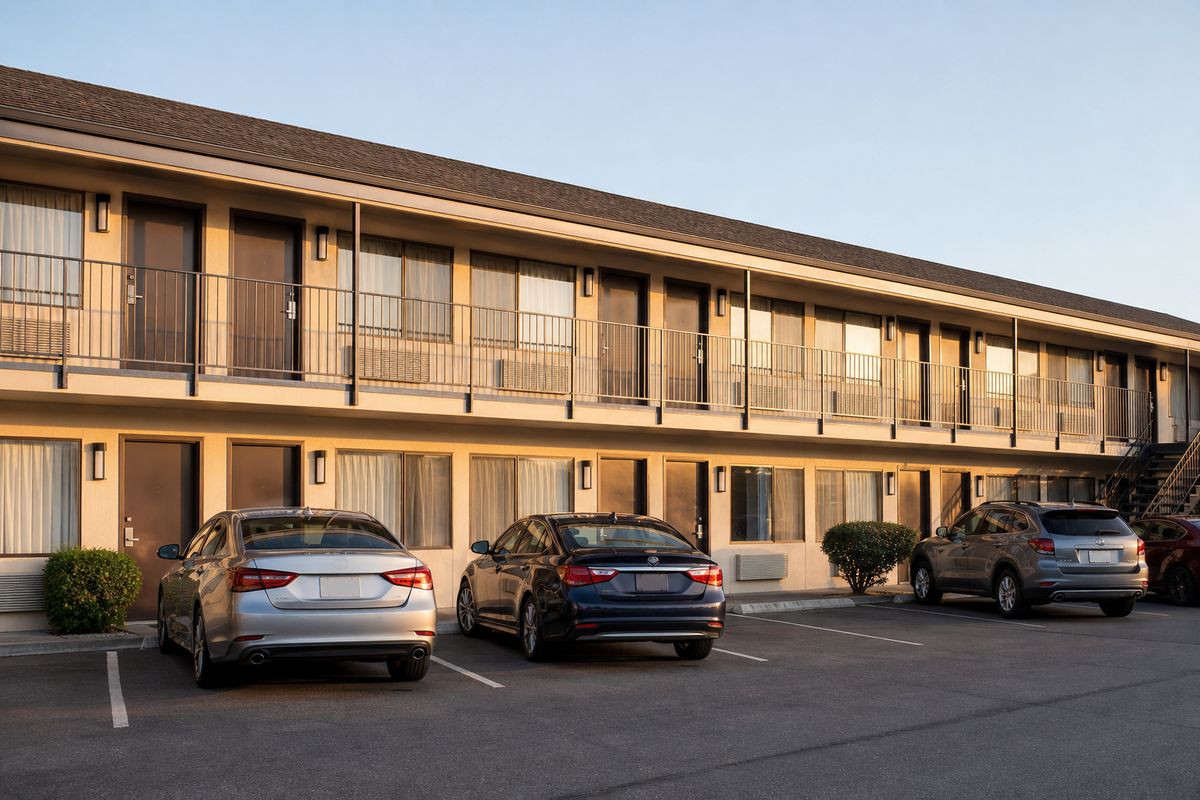
Hotel and motel properties we buy
Lodging is not one asset class. A 24-room roadside motel and a 110-key franchised hotel are underwritten differently, financed differently and sold for different reasons. These are the kinds of properties we look at, and the page listing every property type and the basics we need on each goes further.
Independent motels
We buy owner-operated motels with no national brand, including exterior-corridor properties with a manager's apartment on site.
Franchised hotels
Selling a franchised hotel adds a third party to the deal, the brand, and we plan for its approvals from the start.
Extended-stay hotels
Extended-stay hotels and weekly-rate motels run on different math than nightly lodging, and we underwrite them that way.
Closed or distressed hotels
A hotel that is closed, damaged or losing money still has value in its land, building and permits, and we will look at it as it stands.
Inns and boutique hotels
With inns, bed and breakfasts and boutique hotels, we look closely at what transfers with the keys and what leaves with the owner.
Not sure where yours fits? Motels with a restaurant or RV spaces attached, mixed-use buildings with rooms upstairs and hotels on ground leases are all worth a call.
Why owners decide to sell a hotel or motel
Almost nobody sells a hotel on a whim. There is usually a date or a decision behind it, and the reason shapes what a good sale looks like. The seller situations we hear most often each have a page of their own.
Retirement after years at the desk
Owner-operators who have worked a property for decades often want an end to the night calls as much as a good price. See selling a motel when you are ready to retire.
A loan that matures soon
A balloon date concentrates the mind. If refinancing looks difficult, a sale that pays the loan off at closing is one of the options covered under a hotel loan that is coming due.
A franchise renewal or a PIP
When the brand delivers a property improvement plan, the owner has to decide whether to fund it. We go through that decision in selling before a franchise renewal or PIP.
Partners or heirs who want different things
Co-owners disagree and estates need settling. A sale can be the cleanest way to divide value, as explained in partnership and estate sales of hotels.
How a direct sale works, step by step
-
A confidential first call
You describe the property: where it is, how many keys, brand or independent, and why you are thinking about selling. We tell you whether it sounds like a fit.
-
An NDA, then the numbers
We sign a non-disclosure agreement and you send the trailing-twelve-month profit and loss statement, plus an STR report if the property subscribes to one.
-
A letter of intent
If the numbers support a purchase, we put price and main terms into a letter of intent for you and your advisors to review.
-
Agreement, diligence and closing
A purchase agreement follows, then due diligence, then a closing handled by a title or escrow company.
How long that takes depends on due diligence, on financing, and on any lender and franchisor approvals, so we do not promise a closing date on a web page. The stage-by-stage walk-through explains what happens at each point and what you will be asked for.
Start a confidential conversation about your property
Send the basics and we will call you. You do not need financials in hand for a first conversation, and you do not need to have decided to sell.
Prefer the phone? The TALK TO ALEX button, the red one in the corner of your screen, reaches our line. Alex answers, takes down the essentials and gets them to us.
Request a call back
A few details are enough to begin.
How buyers arrive at a price for a hotel
A hotel is priced on the income it produces more than on the building. Buyers start with the trailing twelve months of revenue and expenses, adjust them to what a new owner would actually experience, and apply a rate of return to what is left.
Income comes first
Occupancy, average daily rate and RevPAR describe the top line. Net operating income describes what the property keeps. Our guide to how hotels and motels are valued explains each formula in plain terms.
Then the building, the brand and the loan
Deferred maintenance, a pending brand improvement plan, the years left on a franchise agreement and the terms of existing debt all move the figure. None of that can be read off a photograph, which is why we ask for documents before we talk price.
Direct buyer, hotel broker or auction
A direct sale is one route among several, and it is not the right one for every owner. A hotel broker exposes the property to many buyers, which can produce a higher price and usually takes longer, with a commission set in the listing agreement. An auction fixes a date and makes the sale public. A direct sale trades wide exposure for privacy and a single counterparty.
We wrote an honest comparison of hotel brokers, auctions and direct buyers so you can decide with the trade-offs in front of you. Where a broker is the better fit for a property, that page says so.
What you can expect from us
We say who the buyer is
We may purchase in our own name, together with capital partners, or through an affiliated buyer. You will know which, in writing, before you sign anything. There is more on this in the answers to common seller questions.
No price before the numbers
We will not quote a figure off a room count to win your attention and then walk it back. A number means something only after the financials have been read.
A plain answer when it is not a fit
Some properties are outside what we buy. When that is the case you will hear it early, not after months of document requests.
You can read why this site exists and how we work on the about page, or use the contact page if you would rather not fill in a form here.
Questions hotel and motel owners ask first
Are you a hotel broker?
No. We are buyers. We do not list properties, we do not market them to other buyers and we do not represent sellers. If you want representation, a hotel broker or an attorney can provide it.
Do you only buy hotels in certain parts of the country?
No. We consider hotel and motel properties anywhere in the United States.
Do I have to decide to sell before I call?
No. Many first calls come from owners who are still working out their options. A conversation does not commit you to anything.
What will you ask me for?
At first, only the basics: location, number of keys, brand status and your timing. After a non-disclosure agreement is signed, we ask for the trailing-twelve-month financials and, where one exists, an STR report.
How fast can a sale close?
It depends on due diligence, on financing, and on approvals from any lender and franchisor involved. We give a realistic timeline once we know the property, not a promise made before we do.