
Franchise renewal and PIPs
Selling a hotel instead of funding a PIP
When the brand hands you a list of required upgrades, you are being asked to reinvest. Selling is a legitimate answer, and the plan itself becomes part of the price.
What a property improvement plan is
A property improvement plan, or PIP, is the brand's written list of work a hotel must complete to meet current standards: rooms, bathrooms, lobby, exterior, signage, systems. It comes with deadlines. Brands issue them at renewal, on a change of ownership, when standards are updated and after poor inspections.
The plan is a cost, and it is also information. It tells any buyer what the brand will require of the next owner, which is why it sits at the center of a sale.
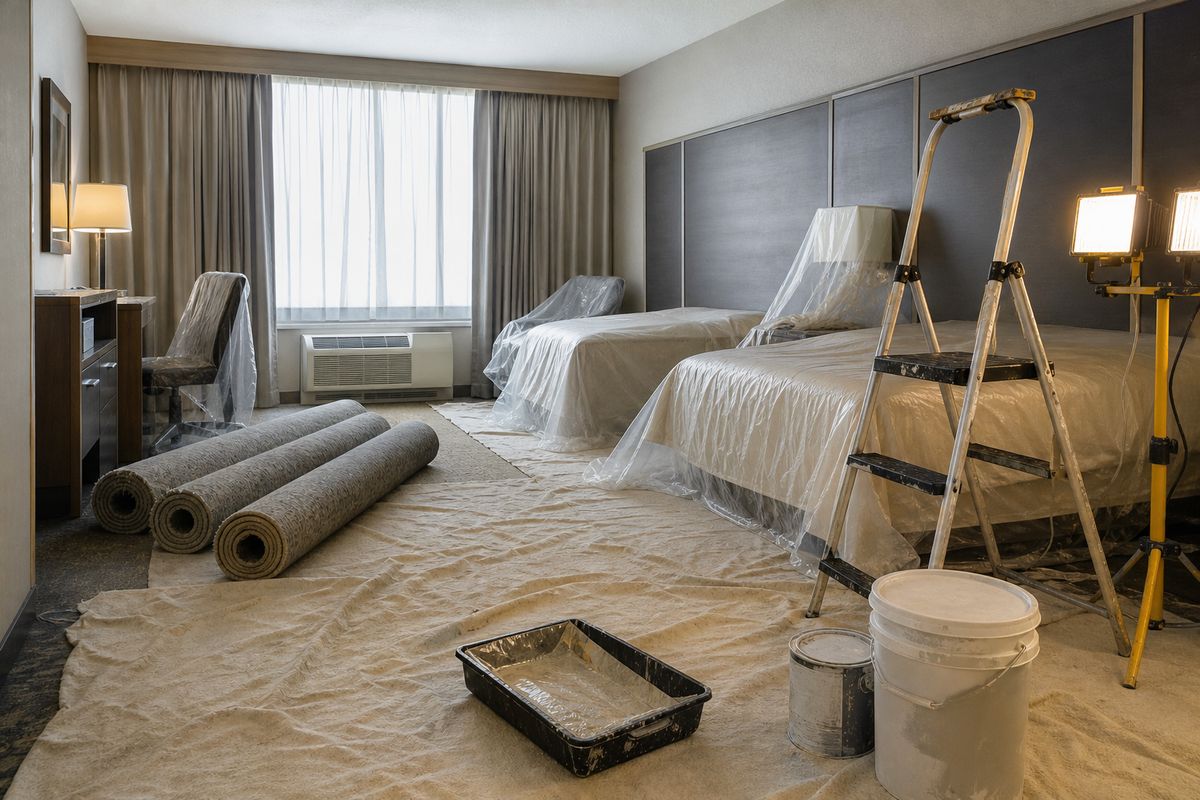
The choices in front of you
Fund the plan and stay
You spend the capital, keep the flag and keep the hotel. This makes sense when the property earns enough to repay the work within the years you intend to own it.
Negotiate the plan
Scope and deadlines are sometimes open to discussion, particularly on timing. Ask the brand, and get any change in writing.
Change or drop the flag
Another brand may ask for less, and running independently asks for none. Leaving may trigger fees under your agreement, and the hotel will lose the brand's reservation contribution. Model both before deciding.
Sell
A buyer takes on the property and the question of what to do with the brand. The price reflects the work to be done.
How a PIP changes the price of a hotel
A buyer values the hotel on its income, then accounts for capital that must be spent soon after closing. A required renovation is exactly that. In effect the buyer subtracts the expected cost of the plan, and some allowance for rooms out of service while work is done, from what the income alone would support. The underlying arithmetic is on the page about how a hotel's value is worked out.
Get the plan priced
A PIP is a list, not a budget. Contractor estimates for the listed work turn it into a number both sides can discuss. Without estimates, a buyer has to assume, and buyers assume conservatively.
A new owner may get a different plan
On a change of ownership the brand typically issues its own plan for the buyer, which can differ from the one issued to you. That is one reason franchisor timing matters.
Renewal dates, windows and fees
Franchise agreements run for a fixed term. Some include points partway through when either side may end the agreement without the usual fees. Know your dates: the expiration, any such window, and the notice each requires.
Termination fees
Ending an agreement early outside those terms generally triggers fees set by a formula in the contract, often called liquidated damages. In a sale where the flag comes down, who pays is a negotiated point.
Transfer provisions
The agreement also says how a sale must be handled: notice to the brand, the buyer's application, and any right the brand holds to approve or match. The general sequence is described under how a branded hotel changes hands.

When the PIP arrives alongside something else
A plan rarely arrives alone. It often lands as a loan nears maturity, and lenders look hard at unfunded brand requirements; see hotel loans that are coming due. It often lands as an owner is thinking about stopping, which is covered under owners approaching retirement. And a hotel that has already lost its flag over undone work is discussed under closed and distressed properties.
Selling a branded hotel to us with a PIP outstanding
Send the plan with your financials once an NDA is in place. We read it as part of underwriting and tell you in the letter of intent whether we intend to keep the flag, because that decides which approvals and fees are in play. The stages are set out in how the sale process works.
Brand approval, lender approval and due diligence each take the time they take, so we do not attach a closing date to this page. Until your agreement requires notice to the franchisor, the conversation can stay private, as described in handling a hotel sale in confidence. And if you would like many buyers to compete over a hotel with a clean report, a listing may serve you better: see broker, auction or direct buyer.
Questions about PIPs and renewals
Can I sell before completing the PIP?
Generally yes, subject to your franchise agreement. The unfinished work is reflected in the price, and the brand will set requirements for the new owner.
Does the buyer have to keep my brand?
No. A buyer may apply to keep it, bring a different one or operate independently. Each choice has different costs, and the agreement decides which fees apply.
Should I start the PIP work before selling?
Ask before you spend. Work a buyer or a new brand would not require is money you may not get back, and a buyer's plan from the franchisor may differ from yours.
Start with a confidential conversation
Tell us where the property is, how many keys it has and whether it carries a brand. We read every submission ourselves and call you back at the number you give.
Nothing you send is passed to a listing service, and sending it does not commit you to anything.
Tell us about the property
Read by the buyers. Never listed, never advertised.